

Skip links

An Ongoing Exhibition

An Ongoing Exhibition

Come Discover 200 Years of Justice in Singapore

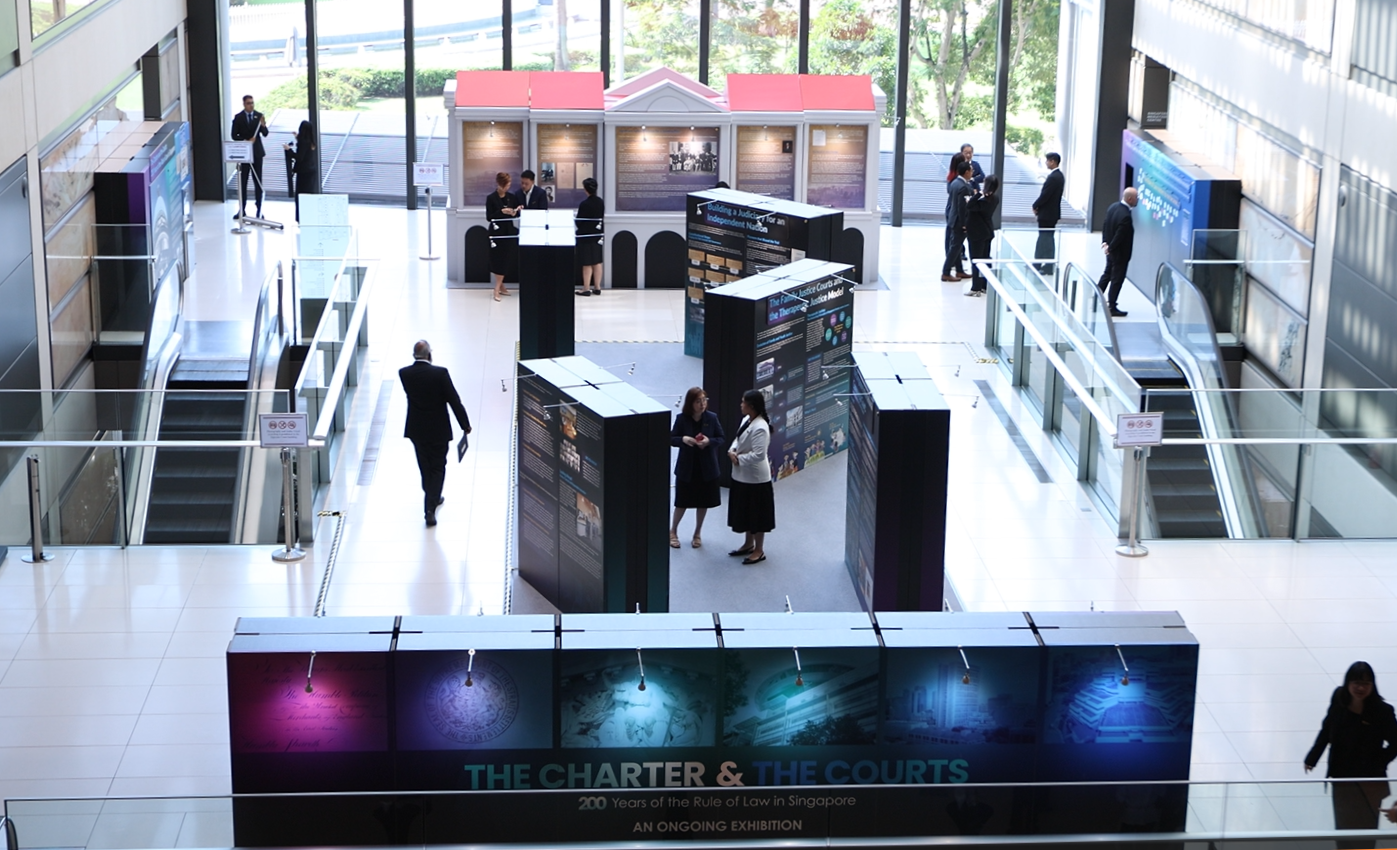
The exhibition traces the development of the courts from pre-colonial justice to the present day, showcasing significant milestones and landmark cases that have defined the legal landscape in Singapore.

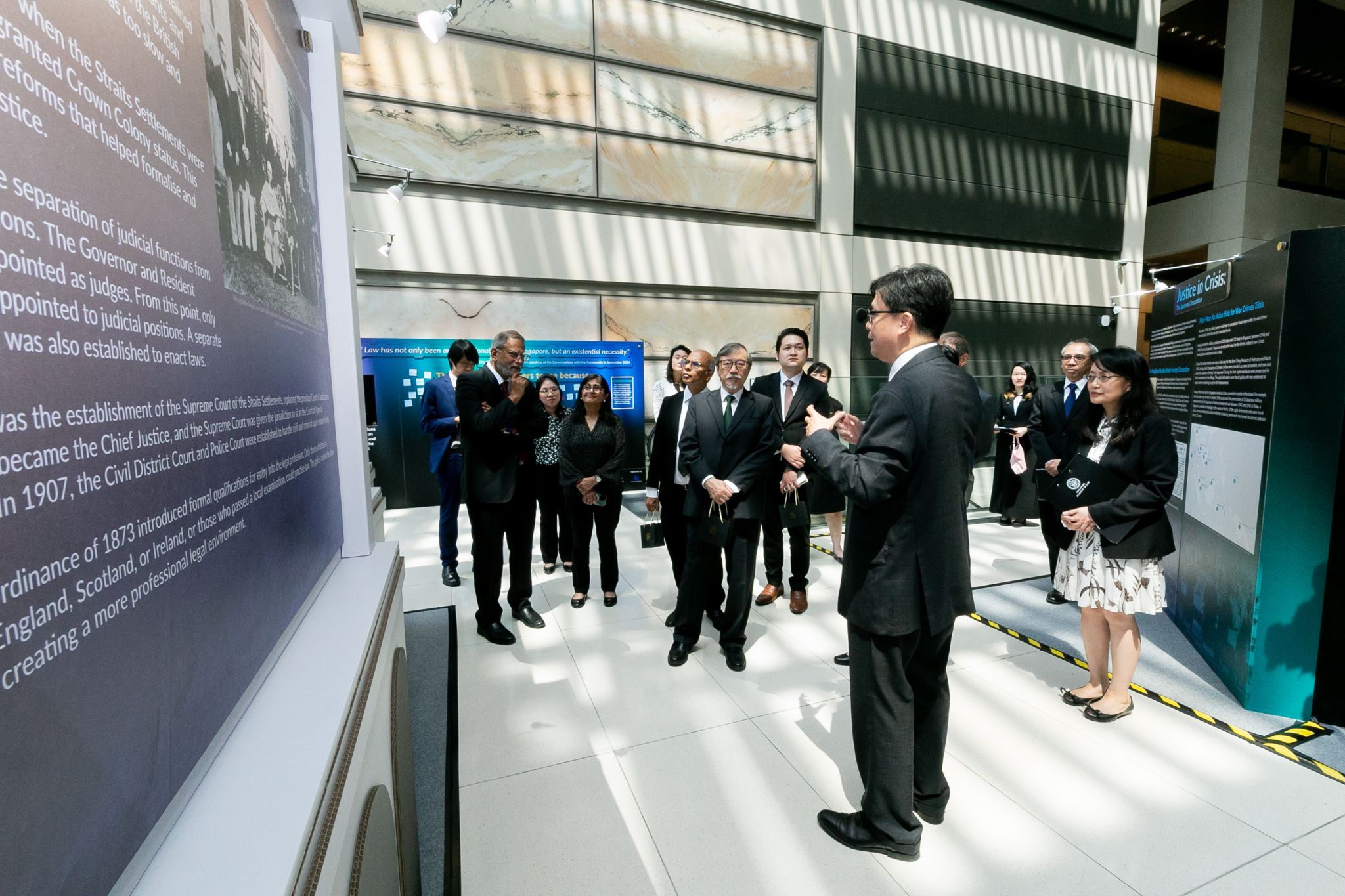
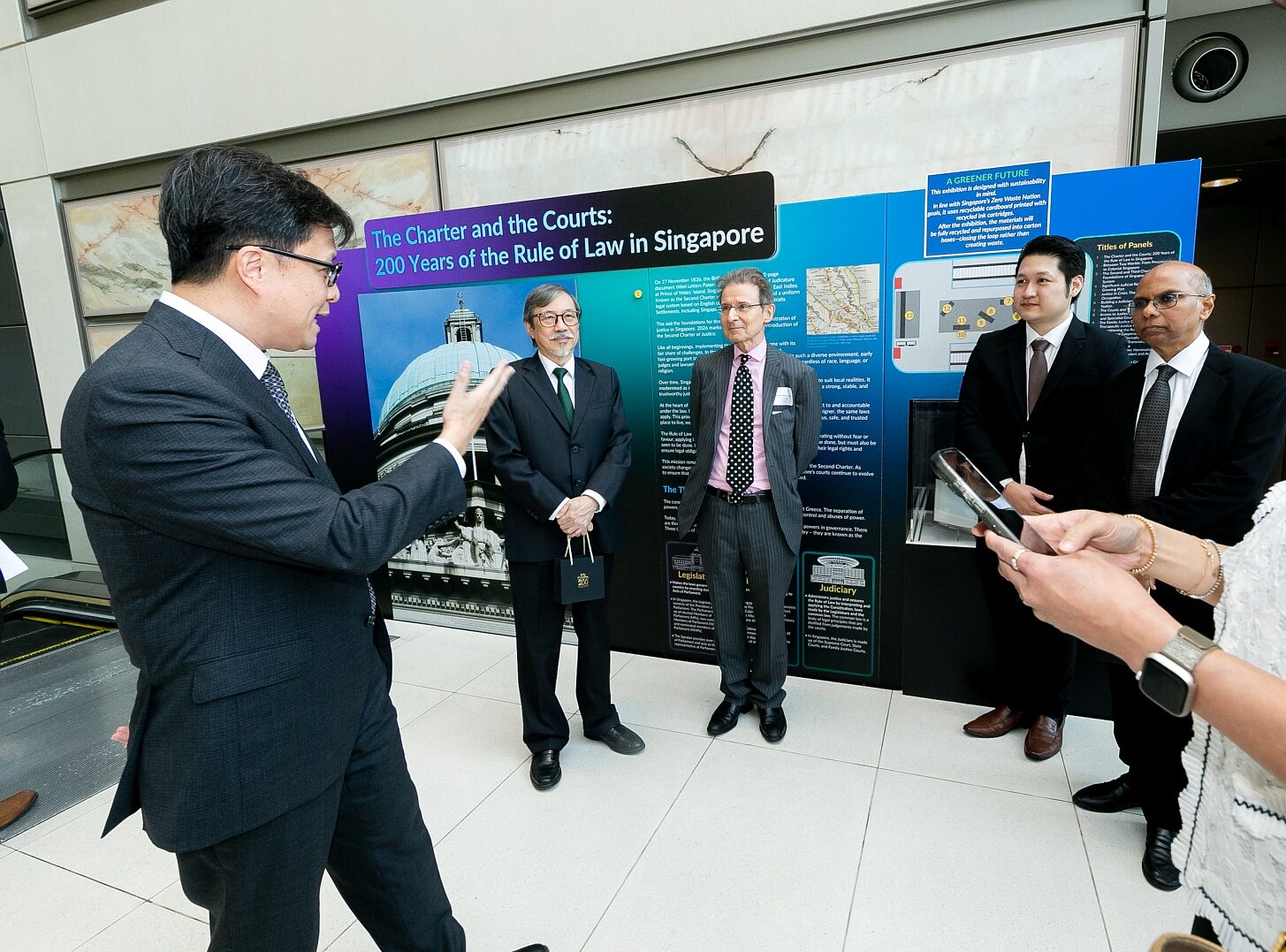
This year-long exhibition will be held at the Supreme Court and will allow members of the public to journey through legal history and understand how the courts have evolved over the years in order to maintain the Judiciary’s critical role in upholding the rule of law and enhancing access to justice in Singapore.

Visit Our Exhibition

1 Supreme Court Lane, Singapore 178879​
Level 2, Atrium

Monday to Friday:
8.30am to 4.30pm
Saturday (from 17 Jan 2026):
8.30am to 12.30pm
Closed on Sunday and public holidays.

Highlights

Between Two Worlds

Pre-colonial to colonial Singapore

Singapore used to be governed by traditional Malay kings. Authority lay with the raja or sultan, guided by adat, with little separation of powers.

During British rule, legal cases were sent nearly 3,900km away to Calcutta, making justice slow and remote.

The Second and Third Charters of Justice

Foundations of Singapore’s Judicial System

The establishment of a formal legal system began with the First Charter of Justice, granted by the British Crown.

Early courts faced practical challenges, and justice depended heavily on the individuals entrusted to administer it.
Significant Judicial Reforms for a Growing Port
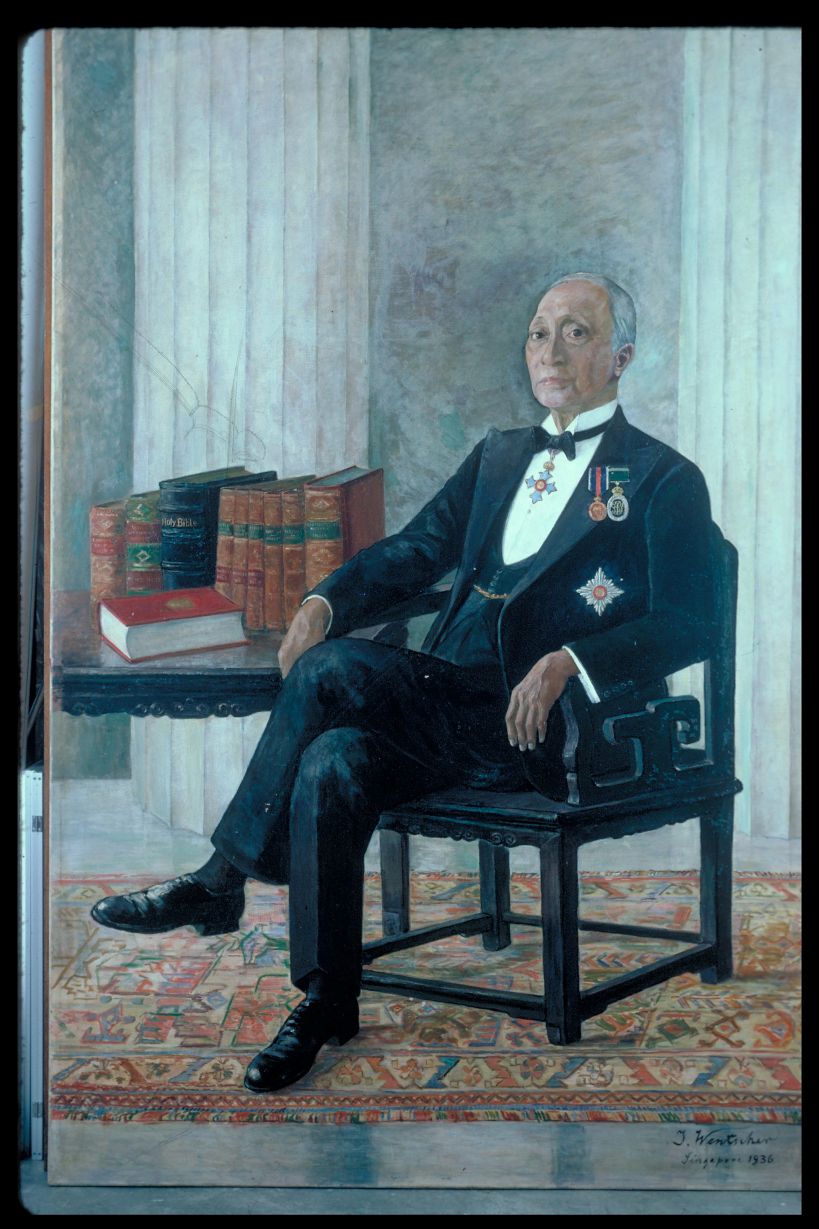
Song Ong Siang

Song Ong Siang was first local Chinese lawyer who was called to the Bar in 1893.

Photo credit: Singapore History Museum.

Between 1824 and 1867, Singapore experienced rapid growth in trade and population, prompting calls for more effective governance and legal reform.

When the Straits Settlements became a Crown Colony in 1867, major changes followed: judicial, executive, and legislative powers were separated, the Supreme Court of the Straits Settlements was established, and only legally trained judges and qualified lawyers were allowed to practise.

These reforms professionalised the legal system and opened the legal profession to locals and women.

Justice in Crisis
Re-print articles from Syonan Shimbun-coffee

In July 1942, the Syonan Shimbun reported on District Judge M. V. Pillai fining a coffeeshop keeper $75 for charging 7 cents for a cup of coffee

Credit: Syonan Shimbun

Under Japanese rule, the law became a tool of those in power. During this turbulent period, the Syonan Supreme Court (Syonan Kōtō Hōin) was staffed by Japanese judges who often displayed clear bias.

Although the courts were reopened, they were permitted to operate only so long as they did not interfere with the military administration, severely limiting judicial independence.

Building a Judiciary for an Independent Nation

From Colony to Republic

As Singapore transitioned from a crown colony into an independent republic, developing a judicial system attuned to the local social and economic realities became a key step in our nation.

Local leadership soon followed—Tan Ah Tah became the first Singaporean judge in 1955, and Wee Chong Jin the first Asian Chief Justice in 1963.

Photo credit: Dr Chandra Mohan

The Courts and Criminal Justice

The courts play a crucial role in keeping society safe by administering criminal justice fairly, impartially and consistently.

  • Combatting New Forms of Crime in a Growing Nation
  • Key Sentencing Approaches: From Deterrence to Rehabilitation
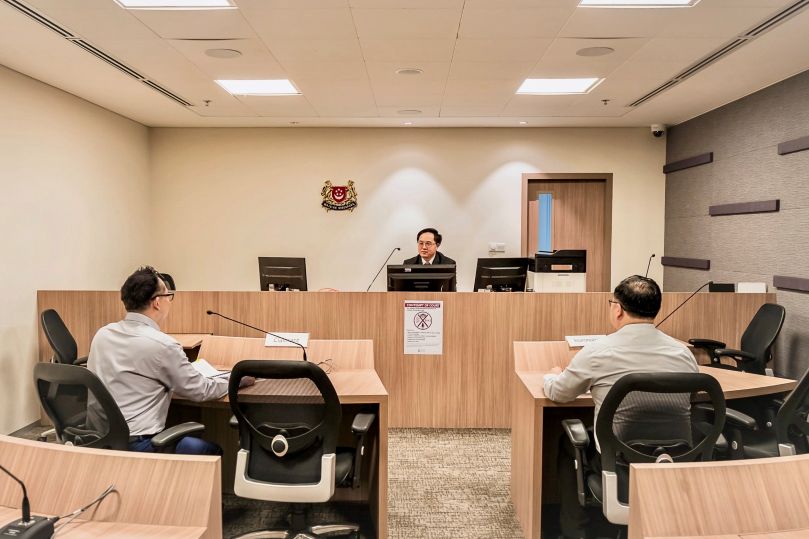
Access to Justice for All

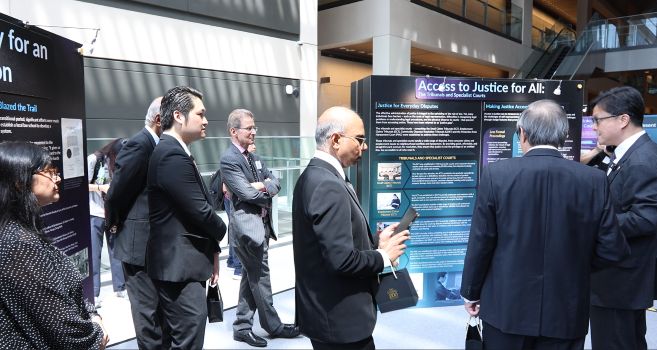
The effective administration of justice is integral to the upholding of the rule of law. Yet, many individuals face barriers that prevent them from accessing justice. In response, our judiciary has come up with various tribunals and specialist courts in an attempt to bridge this justice gap.

Over the years, these have become an indispensable part of Singapore’s justice system.

Small Claims Tribunals
Photo Credit: Singapore Courts

Small Claims Tribunals (SCT)

The SCT was established in 1985 to provide a quick and inexpensive forum to resolve small claims. Over the next four decades, SCT now also hears landlord-tenant disputes, consumer disputes involving unfair practices and other claims.

Employment Claims Tribunals

Employment Claims Tribunals (ECT)

ECT provides employees and employers with a quick, accessible, and cost-effective forum for resolving employment-related disputes. These include non-payment of salary and wrongful dismissal.

Community Dispute Resolution Tribunals
Photo Credit: Andrii Iemelyanenko

Community Dispute Resolution Tribunals (CDRT)

The CDRT oversees mainly neighbor disputes, involving interference with the enjoyment or use of their place of residence. The CDRT can also make orders prohibiting acts of neighbourhood nuisance that unreasonably interfere with neighbours' rights.

Protection from Harassment Court

Protection from Harassment Court (PHC)

PHC was recently established in 2021 to provide victims with quick relief from acts of harassment. It covers a wide range of harassment, including threatening or abusive behaviour, online harassment, cyberbullying and the publication of false statements.

Small Claims Tribunals
Photo credit: Singapore Courts

Small Claims Tribunals

The SCT was established in 1985 to provide a quick and inexpensive forum to resolve small claims.
Over the next four decades, SCT now also hears landlord-tenant disputes, consumer disputes involving unfair practices and other claims.

Employment Claims Tribunals

Employment Claims Tribunals

ECT provides employees and employers with a quick, accessible, and cost-effective forum for resolving employment-related disputes.
These include non-payment of salary and wrongful dismissal.

Community Dispute Resolution Tribunals
Photo credit: Andrii Iemelyanenko

Community Dispute Resolution Tribunals

The CDRT oversees mainly neighbor disputes, involving interference with the enjoyment or use of their place of residence.
The CDRT can also make orders prohibiting acts of neighbourhood nuisance that unreasonably interfere with neighbours' rights.

Protection from Harassment Court

Protection from Harassment Court

PHC was recently established in 2021 to provide victims with quick relief from acts of harassment.
It covers a wide range of harassment, including threatening or abusive behaviour, online harassment, cyberbullying and the publication of false statements.

The Family Justice Courts and the Therapeutic Justice Model
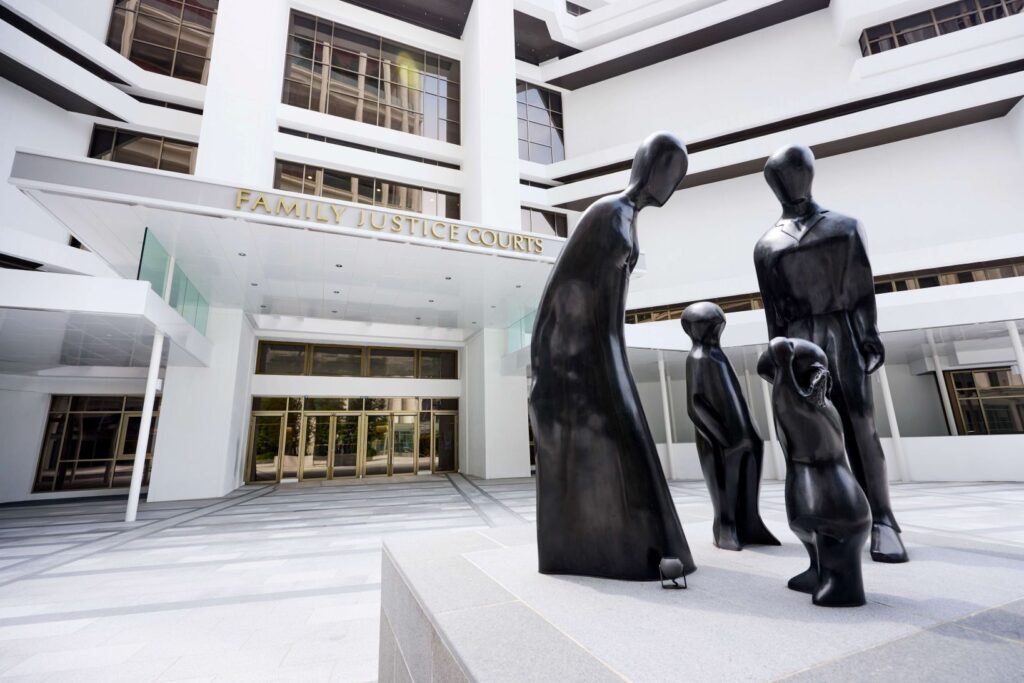
Entrance to the Family Justice Courts
Photo credit: Singapore Courts

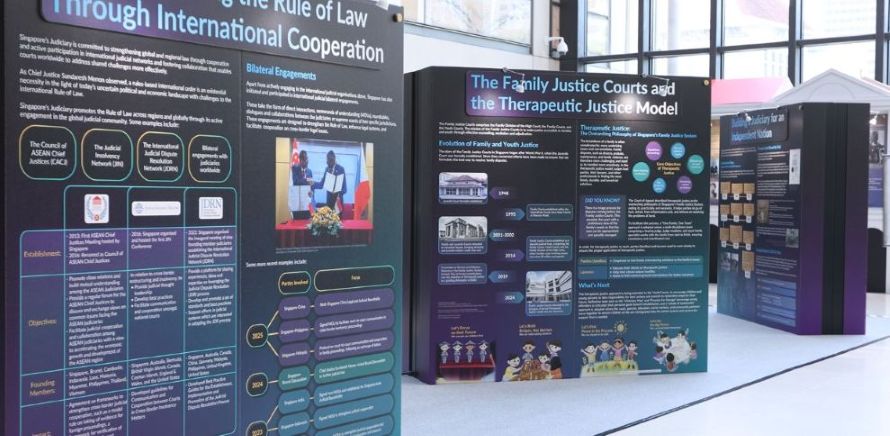
The breakdown of a family is often complicated by many underlying issues and raw emotions. Hence, the therapeutic justice model helps parties let go of hurt, refrain from inflammatory acts, and refocus on resolving the problems at hand.

To facilitate this process, a “One Family, One Team” approach is adopted where a multi-disciplinary team comprising a hearing judge, judge-mediator, and court family specialist works with the family from start to finish, ensuring consistency and coordinated care.

Images taken from a poster on Therapeutic Justice
Credit: Singapore Courts
Strengthening the Rule of Law Through International Cooperation

Singapore’s Judiciary is committed to strengthening the global and regional rule of law through active leadership, international cooperation, and bilateral judicial engagements. Recognising that a rules-based international order is essential in today’s uncertain global landscape, these partnerships—through dialogues, MOUs, and collaborations between courts—promote stronger legal systems and effective cooperation on cross-border legal challenges.

The Singapore International Commercial Court

Anchoring Transnational Commercial Justice

The Singapore International Commercial Court (SICC) provides a trusted and neutral forum for resolving international commercial disputes, including cases with little or no connection to Singapore.

As part of Singapore’s vision to be a leading dispute resolution hub, the SICC blends litigation and arbitration practices across common and civil law traditions and has grown in influence as a contributor to the international rule of law.

Courts of Tomorrow

Harnessing Technology for Efficient and Accessible Justice

In today’s fast-paced world, digital technologies, artificial intelligence (AI) and rapid connectivity are constantly reshaping how individuals live, work, interact with others and even play.

Similarly, the justice landscape is also continually changing, shaped by digital technology to meet societal needs and expectations.
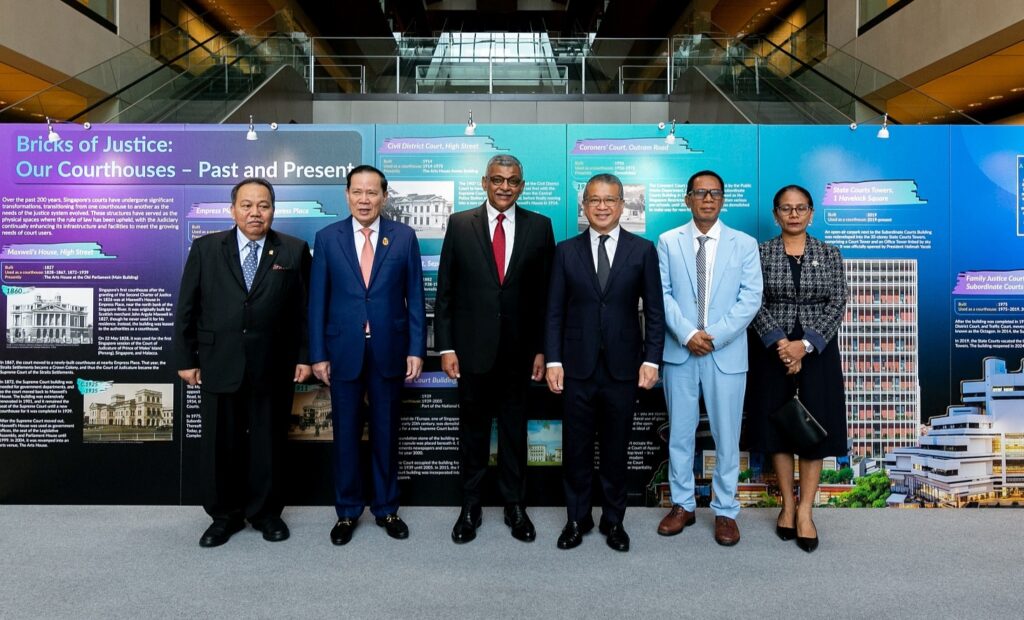
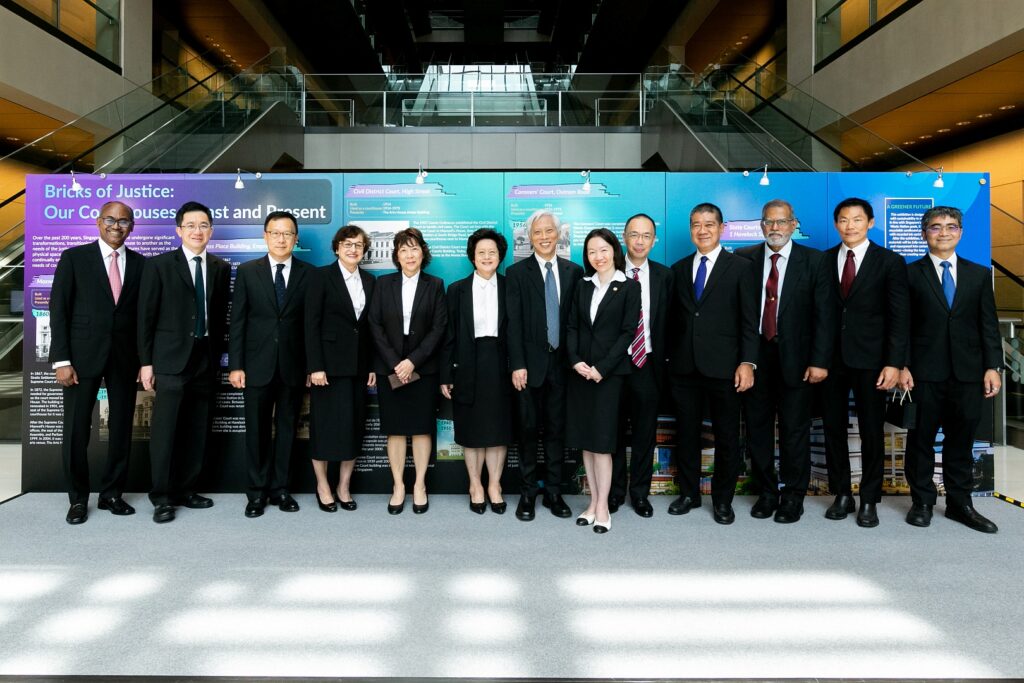
Bricks of Justice

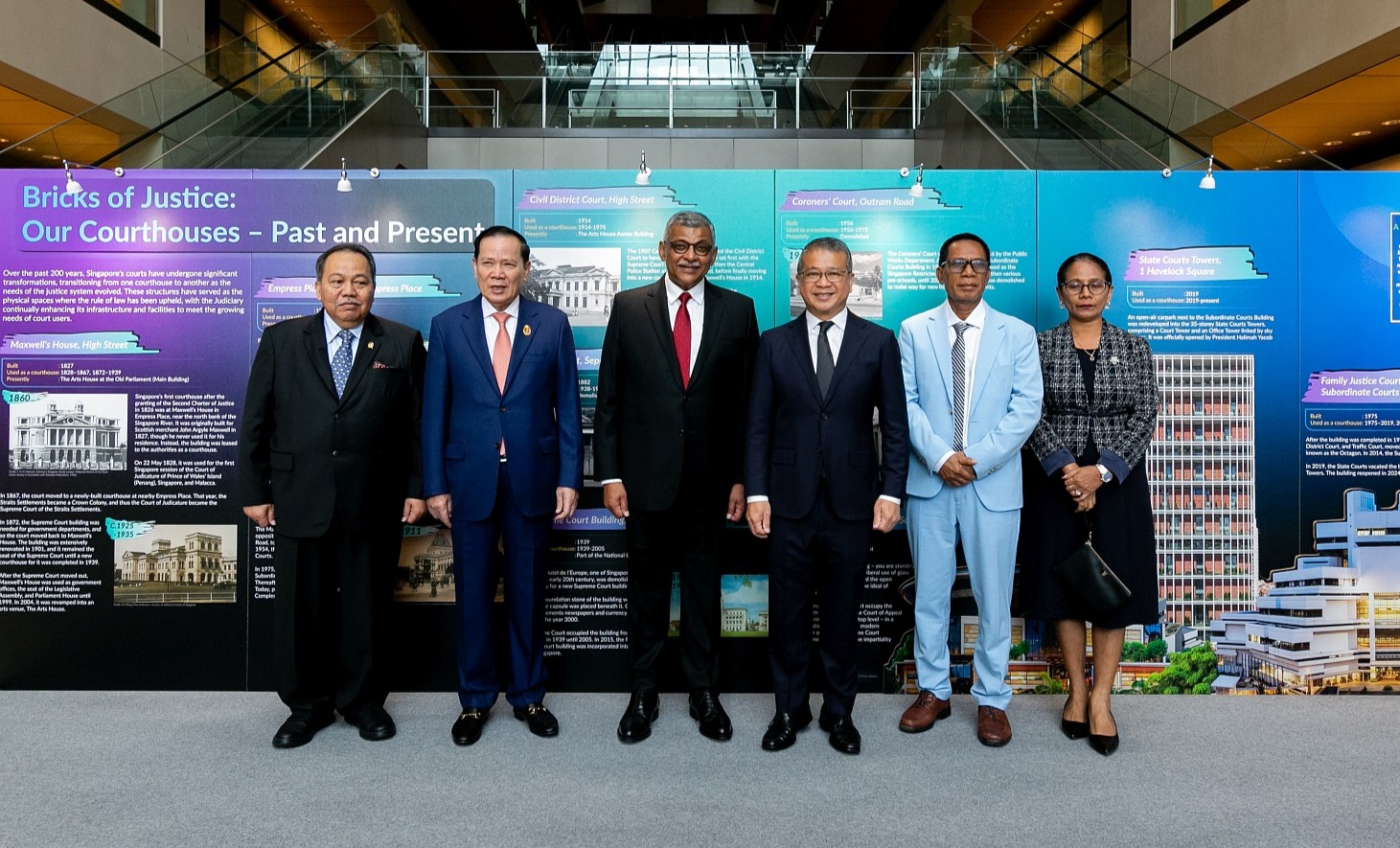
Over the past 200 years, Singapore’s courts have undergone significant transformations, transitioning from one courthouse to another as the needs of the justice system evolved. These structures have served as the physical spaces where the rule of law has been upheld, with the Judiciary continually enhancing its infrastructure and facilities to meet the growing needs of court users.

Supreme Court C.1925-1935

Photo credit: Lim Kheng Chye Collection, courtesy of National Archives of Singapore  
 

Magistrates’ Court, South Bridge Road

Photo credit: Lim Kheng Chye Collection, courtesy of National Archives of Singapore 
 

Civil District Court, High Street

Photo credit: Courtesy of National Archives of Singapore 
 

Traffic Court, Sepoy Line

Photo Credit: Singapore Courts 
 

Coroners’ Court, Outram Road

Photo credit: Public Works Department Collection, courtesy of National Archives of Singapore 
 

Family and Juvenile Court Building, Havelock Road

Credit: Bels Collection, courtesy of National Archives of Singapore 
 

Supreme Court C.1925-1935

Photo credit: Lim Kheng Chye Collection, courtesy of National Archives of Singapore


Magistrates’ Court, South Bridge Road

Photo credit: Lim Kheng Chye Collection, courtesy of National Archives of Singapore


Civil District Court, High Street

Photo credit: Courtesy of National Archives of Singapore


Traffic Court, Sepoy Line

Photo credit: Singapore Courts


Coroners’ Court, Outram Road

Photo credit: Public Works Department Collection, courtesy of National Archives of Singapore


Family and Juvenile Court Building, Havelock Road

Credit: Bels Collection, courtesy of National Archives of Singapore


Media Gallery

Upcoming Events

Coming soon.

Organised by

In conjunction with