

An Investment That Keeps Compounding: Rachel Leong

After more than a decade advising on complex financing transactions, Rachel Leong, a Partner at Rajah & Tann, has learned that even the most significant deals have a shelf life. They are eventually closed, refinanced, restructured or overtaken by the next transaction. What endures, she has found, are the people involved in bringing those deals to life.
It is a perspective shaped by years spent in finance law. In financial terms, compounding describes how returns accumulate and grow over time. Rachel sees that the same principle applies to leading people, not just leading deals. The time, trust and opportunities invested in young lawyers can continue to generate returns long after a deal or transaction has concluded, influencing not only how they practise, but also how they can go on to support others.
Small Moments, Lasting Impact

That belief was reinforced a few years ago, while Rachel was working with a Junior Associate on a complex financing matter. The Associate, quietly diligent and not one to put herself forward, flagged an issue in the counterparty’s latest markup before it reached Rachel’s desk.
“It was a good catch. I told her so, and I made sure the client heard about it the next morning,” Rachel recalls. “After that, something shifted. She started speaking up more, asking better questions and trusting her own instincts. She’s now capable of running her own workstreams.”
“I don’t think I did anything extraordinary. I just noticed her work and said it out loud. But watching that change reminded me how little it can take to help someone believe they belong in the room.”, she says.
There was no grand intervention — only a simple act of recognition at the right moment. But Rachel saw how quickly confidence can grow when good work is acknowledged. Today, that Associate confidently takes on more responsibility in her matters.
Having served on the Associates Management Committee when she was a Senior Associate gave her the window to be closer to the thinking of how younger lawyers view and think about their careers. They remain ambitious, she observed, but are also increasingly deliberate about sustainability, purpose and workplace culture.
What has changed, in her view, is not the substance of those aspirations but the willingness to talk about them openly. And those conversations have made room for a more honest discussion of what helps lawyers build careers that last.
For Rachel, supporting younger lawyers often comes down to everyday choices. It can be as simple as explaining why an amendment has been made rather than simply correcting a draft, helping a junior lawyer understand the commercial context behind a legal issue, or considering whether a late-night request genuinely requires an immediate response.
It also means creating opportunities for younger lawyers to contribute. Involving them in client meetings, including them in discussions and recognising their work can give them both a greater sense of ownership and the confidence to participate more actively.
Beyond technical excellence, Rachel believes three qualities are particularly important. The first is integrity, which means acknowledging mistakes early and addressing them responsibly. The second is curiosity, not just about the law, but about clients’ businesses and commercial objectives. The third is generosity, reflected in sharing credit, supporting colleagues and treating others with respect.
“These are the things people remember,” she added. “And they often matter long after the details of a particular deal have faded.”
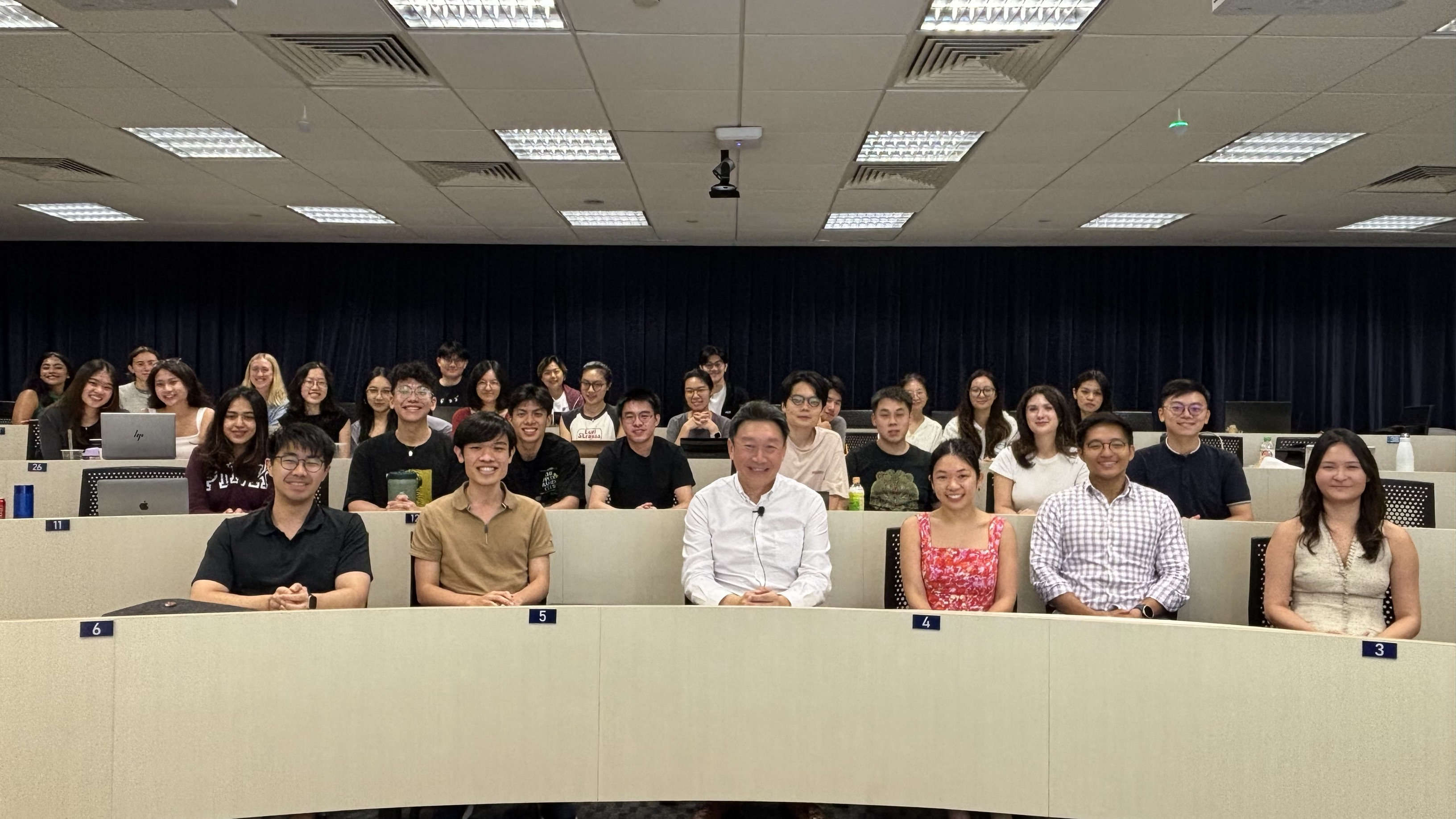
Teaching at the National University of Singapore has reinforced these convictions. While legal principles can be taught in the classroom, practice requires lawyers to balance legal analysis with commercial realities, practical constraints and human relationships.
The experience has also reminded Rachel that learning is never one-way. She still remembers leaving her first class struck by how prepared, curious and engaged her students were. Their perspectives on purpose, community and contribution continue to remind her that the profession benefits when it remains open to new ideas and fresh perspectives.
Making Room to Grow
Passing Trust Forward
Those experiences have also prompted Rachel to reflect on the people who shaped her own development.
She still remembers the Senior Partner who, during her first month in practice, brought her into client meetings and invited her to contribute to discussions. As a Junior Associate, being asked to share her views in front of clients was daunting. Yet the trust placed in her gave her the confidence to develop her capabilities and sharpen her professional judgement.
Looking back, Rachel recalls that while the partner maintained high standards and reviewed work closely, he never did so in a way that diminished a junior lawyer’s confidence. Instead, he created an environment where expectations were high, but support was always available. The experience left Rachel with a lasting conviction that people often rise to the expectations placed upon them when they are given both the opportunity and encouragement to succeed.
Today, that lesson continues to shape the way she leads and develops her team. Whether through day-to-day supervision, mentoring conversations or creating opportunities for younger lawyers to take on greater responsibility, Rachel seeks to extend the same trust that helped accelerate her own growth early in her career. That commitment extends beyond the firm: Rachel serves as a mentor, by invitation, in both the Law Society Mentorship Programme and the Singapore Academy of Law Mentorship Programme for SAL Scholars.
Just over a decade into practice, Rachel sees legacy not as a single achievement or milestone, but as something built gradually through everyday interactions and small acts of trust.
Deals matter, and she hopes the people she has worked with, taught and mentored will look back on them with pride. But she hopes they will also remember being given opportunities to contribute, the confidence to grow, and the support to navigate challenges along the way.
If those experiences stay with them and shape how they in turn support the next generation, that may well be the most meaningful return on investment of all.