

Small Firm, Big Purpose: Building a Community-Minded Practice

Low Seow Ling and Thaddaeus Tan left established firms to build something smaller. Two young lawyers share how leaner, values-led practices can thrive in the profession.
A fresh call to the Bar might once have meant a straightforward path through the ranks of a large firm, progressing from trainee to associate to partner. Increasingly, young lawyers are choosing to strike out on their own within a few years of practice.
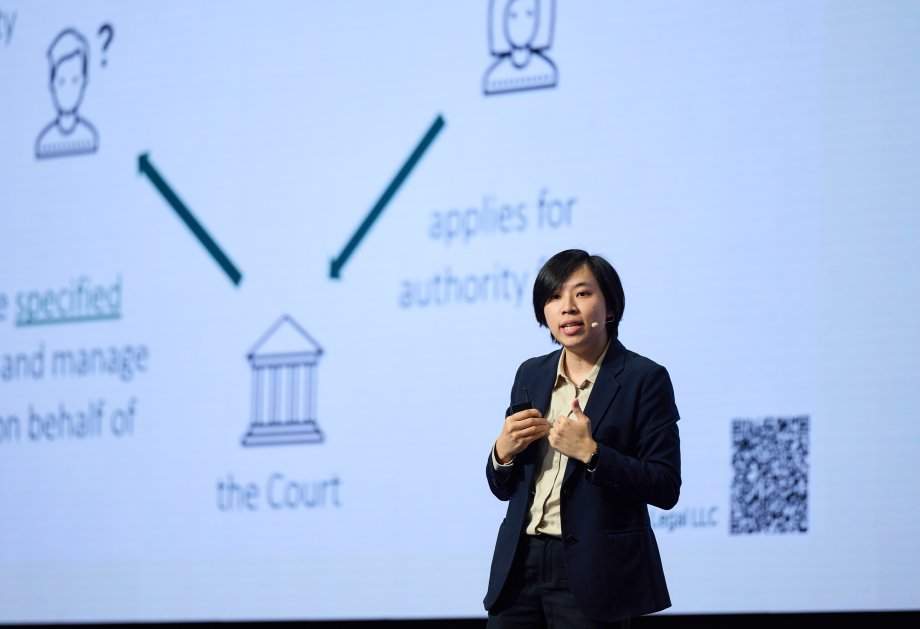
Ms Low Seow Ling, Managing Director of Emre Legal LLC, and Mr Thaddaeus Tan, a Director at Anchor Law LLC, are two such lawyers. Seow Ling’s practice focuses on estate and mental capacity planning for individuals living alone, families with members with special needs, and the elderly. Thaddaeus’s practice focuses on private client work and dispute resolution, including trusts and estates, family matters and civil and commercial disputes. He sees his community-law work as a natural extension of that practice. Both left the comfort of established firms to build something smaller, leaner, and closer to the people they wanted to serve.

Leaving the Nest
Seow Ling’s decision came after a slow build of confidence. Although she had some level of autonomy over her own approach at her earlier firm, she had little influence over its wider direction and values. “The way I wanted to do my work, going through a personal journey with the client, there are certain things I think should be done, or that the work can be done in a better way,” she says. Starting her own firm let her set that standard, particularly in the still-developing area of mental incapacity and future care planning. “It’s more like creating and setting a standard that I think we should follow.”
For Thaddaeus, leaving Tan Rajah & Cheah (TRC), where he practised for several years, was not easy. “TRC was a very nurturing place,” he recalls. “The culture was fantastic, the mentorship was fantastic. I felt personally like I couldn’t find another firm that would match it. I didn’t want to move firms.” Starting his own practice was something he had always wanted to do. Beyond the pull of independence, he also saw a gap in the market between clients who can comfortably afford conventional private legal services and those who qualify for legal aid or pro bono assistance: middle-income Singaporeans who may fall between the two.
The firm’s name shows this intention. Emre Legal draws its name from “empower” and “restore.” “We want to empower the clients, not just in the process of us helping them — it’s a lot of self-help, because ultimately this is their life,” Seow Ling explains. “The restoration is actually about giving them hope that through the law, we can help them restore their lives to a certain state where they will regain peacefulness and happiness.”
Values Before Structure
Neither firm was built alone. Seow Ling has grown her team largely by hiring former interns, often through referrals from people she trusts. She also pays close attention to how prospective hires respond in the field. During a home visit to an elderly client, for instance, she would observe how they interact as a sign of whether their instincts are in the right place. As the team has grown beyond a small, tightly knit founding group, she has had to become more deliberate about structure, so expectations are clear for new joiners. “I can’t expect everyone to know what I want anymore,” she says. “We have to be a bit more structured.”
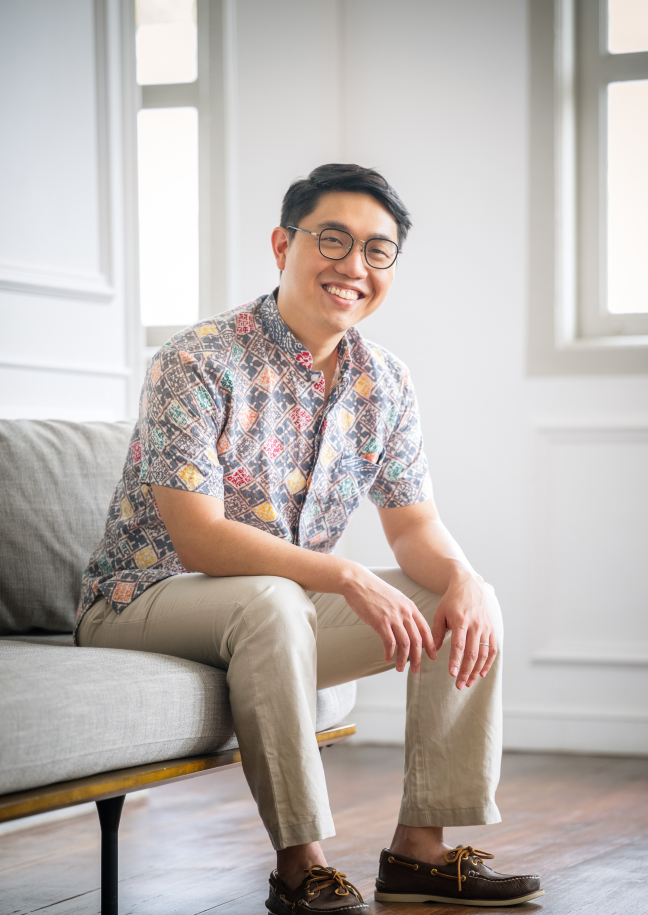
Thaddaeus co-founded Anchor Law with Wilson Tan, whom he met through their shared service on the Boys’ Brigade executive committee. “We started with our values aligned,” he says. “We realised we had a common understanding of what our firm wanted to achieve, which is being good to the community more than just maximising revenue.”
Serving the Middle Ground
Both lawyers maximise their impact by serving the sandwich class that may not qualify for existing pro bono programmes.
Seow Ling usually refers potential pro bono clients to the existing volunteer programmes unless there is a particular reason for her to get involved personally. Nowadays, her firm focuses on helping clients navigate the resources already available to them, including government schemes, social workers, and financial planners, before stepping in directly.
Thaddaeus takes a similar approach. “More of my work is directed at people who can’t qualify for pro bono programmes,” he says of those seeking legal assistance. “If they can qualify, I’ll just say please go ahead and apply, because there are volunteers there.”
Keeping fees within reach of the middle tier, both agree, depends largely on keeping overheads low. Seow Ling intentionally keeps her firm’s costs low by working from a co-working space and adopting a work-from-home arrangement suited to a practice that involves frequent hospital and home visits.
Thaddaeus takes a similar approach: Anchor Law is a three-lawyer firm comprising Thaddaeus and his co-founders, Wilson Tan and Jevan Li, who work from a shared co-working space. “Our overheads are very, very, very slim,” he says. “That allows us to channel the cost benefits back to clients.”
The Role of Technology
Seow Ling’s practice leans less on legal technology and more on the parts of the work she believes cannot be automated. “A lot of the work is caring about what the clients are going through. You know how AI cannot replace that,” she says.
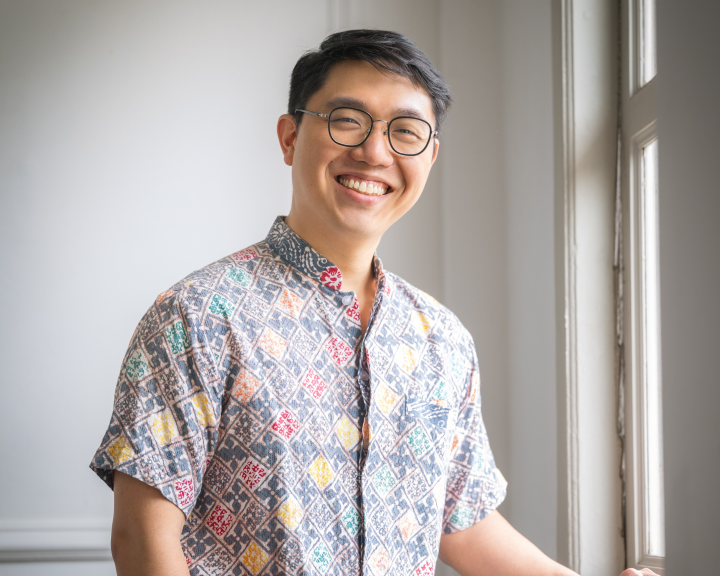
For Thaddaeus, technology is central to how a lean practice stays viable. He uses AI tools such as Vincent AI, alongside Claude for research and drafting. He has moved his practice management, accounting and payroll onto integrated platforms so that transactions flow automatically from bank to books to bill. “Something comes in, my bank pays it out, bank syncs to Xero, Xero syncs to Clio,” he explains. “It’s all automated now.” The time savings, he says, are remarkable. A routine task that once took weeks of manually compiling receipts for an affidavit of assets and means can now be completed in minutes.
Both agree that technology’s real value lies in freeing lawyers up for the human elements of the job: counselling, understanding a client’s story, and the emotional labour that comes with their practice areas.
What Success Looks Like
Neither Seow Ling nor Thaddaeus measures success by conventional benchmarks. For Seow Ling, success is less about her own trajectory than about what the firm can become independent of her. “Success for the firm is when clients can come to us, and they know that they are in good hands,” she says. “I know that even if I die, the firm will still be able to run well and continue with the same process.” Her advice to lawyers considering the same leap is to have a clear purpose before you start. “Otherwise, actually, it’s just easier to be with someone, work together, collaborate.”
Thaddaeus thinks of autonomy as allowing him to take on clients without meeting billing targets, and in the long run, he hopes to achieve a level of stability in his practice that will enable him to carry out more pro bono and lower-fee work without financial strain.
Seow Ling and Thaddaeus offer no blueprint. But they share a common conviction that a smaller, values-led firm can still do meaningful work, and do it sustainably. “I actually see the small firm community as almost one massive mega law firm,” Thaddaeus says. “It’s a very collaborative space, with a lot of referrals going across.”
That sense of community, as much as any client roster, may be what makes the leap worth taking and what will determine whether this new generation of small, purpose-built firms lasts.